



Written by HairMD Content Team | Medically Reviewed by Dr. Dhanraj Chavan On June 18, 2022


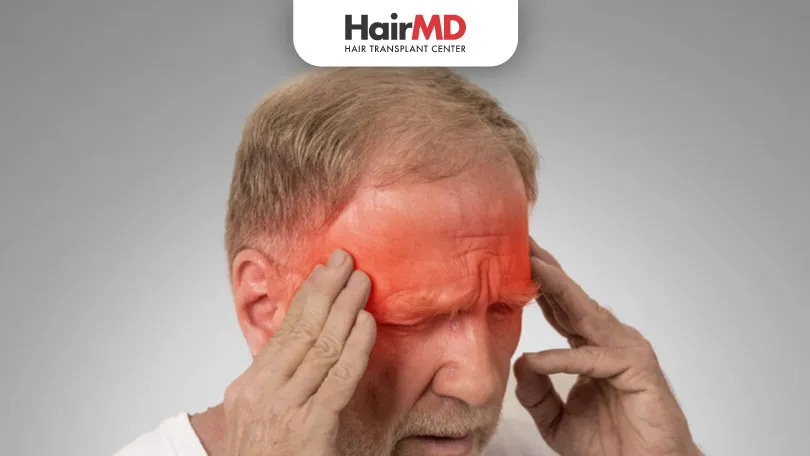
Migraines, while primarily a neurological condition, can have indirect effects on hair health. Chronic migraines often lead to stress, disrupted sleep, and nutritional deficiencies, which may contribute to hair loss over time. These lifestyle factors weaken hair follicles, causing increased shedding.
Hair constitutes one of the most attractive natural adornments that constantly boost self-confidence. These emerge from the dermis layer of the skin from the hair follicles and can be easily damaged by a lot of factors. These factors may be both external and internal; continue with the blog to know the connection between migraine and hair loss.
What’s covered in the article?
- What is Hair Loss?
- Does Migraine Cause Hair Loss?
- How to Treat Migraine and Hair Loss?
- Conclusion
What is Hair Loss?
It’s perfectly normal to shed 50-100 strands of hair each day as a part of the natural hair growth cycle consisting of three phases- growth, rest and fall. It is a cycle that occurs continually for attractive hair health. Hair loss, on the other hand, is an entirely different condition where more hair strands fall out regularly. Hair loss is drastic because there are no signs of regrowth in the condition, and if left untreated may lead to the formation of bald patches. Some hair loss conditions depending on the cause can be reversed, while others can only be slowed down.
Does Migraine Cause Hair Loss?
Chronic migraine is a severe headache that may last for hours to days and brings along nausea, vomiting, and sensitivity to light and sound. Migraines may have different triggers in different individuals as some people are light and sound sensitive while some people experience migraine due to fatigue. Migraine is associated with a sharp pain on either side of the head and is associated with hair loss.
Migraine causes hair loss as it may lead to loss of appetite and lack of sleep. Lack of sleep may induce hair loss due to prior lifestyle and loss of appetite leading to a lack of nutrients in the body, causing hair loss.
How to Treat Migraine and Hair Loss?
Migraine and hair loss can be treated by working on the headache trigger. If you encounter a migraine attack due to sound or light, then take precautions to prevent getting exposed to the trigger. If certain foods and activities cause migraine, then maintain a proper lifestyle by eating healthy and performing healing activities like yoga. Manage your stress, diet and lifestyle to reverse hair loss due to migraine.
If you have chronic migraine and are suffering from excessive hair loss, then consult an expert dermatologist immediately. The hair doctor will help you treat hair loss due to chronic migraine and prevent any permanent or extensive damage that may occur.
DO YOU KNOW?
Nearly 250 Patients Visit HairMD
Everyday For Various Hair Concerns
(15+ Years Of Expertise. 4157+ Successful Hair Transplant)
Meet Our Dermatologists





Conclusion
In conclusion, Chronic migraines can indirectly lead to hair loss due to associated factors such as loss of appetite and sleep disturbances. These factors contribute to nutrient deficiencies and stress, which can negatively impact hair health. Managing migraines through lifestyle changes, reducing triggers, and improving nutrition can help address hair loss. Consulting a dermatologist is essential for targeted treatment to prevent permanent damage.
Further Reading
Can Hair Loss Be Reversed?
Wondering if hair loss can be reversed? Discover effective treatments for regrowing your hair!
PRP vs Minoxidil for Hair Loss: Which Works?
PRP vs minoxidil for hair loss – how each works, results, cost, and which suits you, plus whether to combine them, from HairMD Pune.
Can Creatine Cause Hair Loss?
Does creatine increase hair loss? Discover the evidence, common myths, possible risks, and when to consult a hair specialist at HairMD.
Can Stress Cause Alopecia Areata? The Real Relationship, Explained by Dermatologists
Does stress cause alopecia areata? Dermatologists explain the immune mechanism, why stress triggers it, how to identify it, and what treatments actually work for patchy hair loss.
Have thoughts? Please let us know
We are committed not only to treating you, but also educating you.